
Zepimedia

Marketing agency for social media strategy and growth by Zepi Media

Marketing Agency for Social Media | Zepi Media

Social media has matured. It is no longer a channel for visibility alone. For businesses that want to grow, it is a performance channel that must contribute directly to revenue, lead quality, and long-term brand equity. Zepi Media operates as a marketing agency for social media built around commercial outcomes rather than surface-level engagement. The goal is not to post more content or chase algorithms. The goal is to create systems that turn attention into measurable business growth. Why Social Media Marketing Often Fails Most businesses are active on social media, yet few see consistent returns from it. The issue is rarely effort. It is usually a lack of structure. Content is published without a clear objective. Engagement is generated without a path to conversion. Paid campaigns are optimised for clicks instead of intent. Performance is reported through likes and impressions rather than revenue impact. When this happens, social media becomes busy but ineffective. Accounts look alive, teams stay occupied, and budgets are spent, yet growth stalls. Social media does not fail because platforms are overcrowded. It fails because strategy is missing. What a Marketing Agency for Social Media Should Do A marketing agency for social media should do far more than manage posts or respond to comments. Its role is to understand the business behind the brand and translate that into a system that works across platforms. That system begins with positioning and audience intent. It continues with messaging that aligns with how real buyers think and behave. It is supported by funnels that guide users from attention to action. Finally, it is measured by performance indicators that reflect real commercial outcomes. Without this structure, social media activity becomes disconnected from business reality. The Zepi Media Approach At Zepi Media, social media is treated as part of a wider growth engine. Every decision is anchored to a clear objective and connected to the full customer journey. We begin by understanding the business model, the target audience, and the desired outcome. Strategy is established before any execution takes place. Content and campaigns are then designed specifically for each platform, respecting how users consume and interact with information in different environments. Organic content is used to build credibility and trust over time. Paid media is used to accelerate reach and scale. Both are aligned to ensure consistency in message and intent. Most importantly, social media always leads somewhere, whether that is a qualified enquiry, a booked call, or a purchase. Performance is tracked through metrics that matter. Lead quality, conversion rates, acquisition costs, and revenue attribution take priority over vanity metrics. This ensures decisions are driven by insight rather than assumption. This is set up through Google. Who We Work With Zepi Media works with businesses that are serious about growth. These are often service-based companies, clinics, and brands that already have demand but struggle to convert attention into consistent revenue. If your social presence looks active but your results do not reflect the effort being put in, the issue is not social media itself. It is how it is being used. Why Zepi Media Zepi Media is not a posting service and not a content factory. We are a marketing agency for social media focused on structure, clarity, and outcomes. Our work is built on strategy before execution, systems over isolated tactics, and measurable results over noise. Social media should support business growth, not distract from it. Final Thought When used correctly, social media becomes one of the most powerful growth channels a business can have. When used without structure, it becomes a time-consuming distraction. Zepi Media exists to make sure it works.
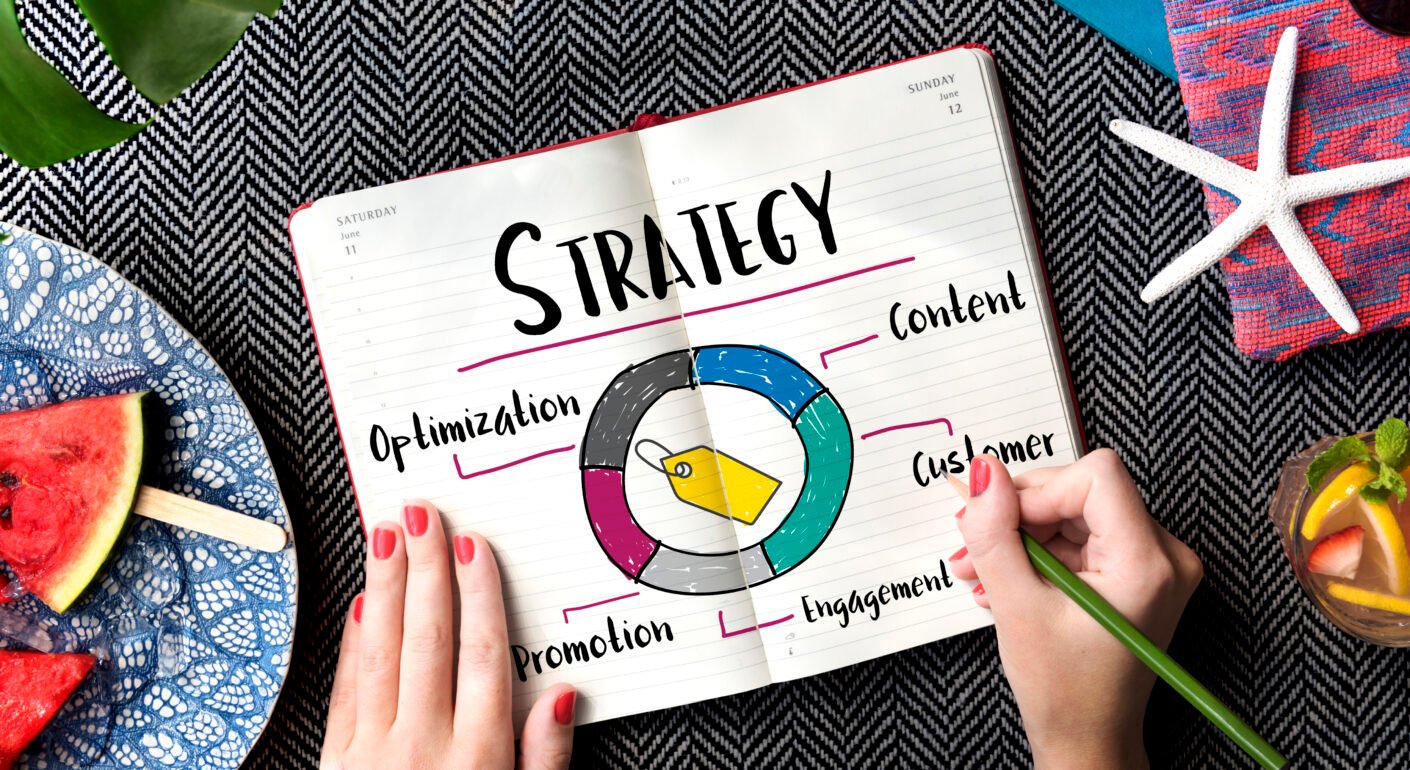

Why Marketing Without a Strategy Always Breaks

Marketing without a strategy is one of the most common reasons businesses burn budgets without seeing meaningful results. At first, it can feel productive. Ads are running, content is being posted, emails are being sent, and activity is high. But over time, cracks begin to show. Results become inconsistent, costs rise, and growth stalls. This happens because marketing without a strategy is driven by action, not direction. A marketing strategy acts as the foundation that connects business goals with execution. Without it, marketing becomes reactive rather than intentional. Decisions are made based on trends, competitor moves, or short-term pressure instead of data, positioning, and long-term objectives. Eventually, this lack of alignment causes marketing efforts to break down. This is why businesses that invest in a structured approach to marketing strategy, like the frameworks used by experienced agencies such as zepimedia, tend to achieve more consistent and scalable results. Why Marketing Without a Strategy Fails Over Time One of the biggest problems with marketing without a strategy is unclear targeting. When there is no defined ideal customer, campaigns attempt to speak to everyone. Messaging becomes generic, offers lack relevance, and conversion rates drop. Businesses may see traffic or impressions, but those numbers rarely translate into revenue because the audience was never clearly defined in the first place. Another reason marketing without a strategy fails is inconsistent messaging. Strategy defines how a brand communicates, what it stands for, and how it differentiates itself. Without that clarity, messaging changes constantly. One month the focus is price, the next month it is quality, and the next month it is speed. This inconsistency erodes trust and makes it difficult for potential customers to understand why they should choose the brand over competitors. Budget waste is another unavoidable consequence. When marketing without a strategy, spending decisions are often based on assumptions rather than performance frameworks. Money gets allocated to channels without understanding their role in the funnel. Paid ads might be used to generate awareness when the real issue is conversion, or content might be produced without a clear distribution plan. Research published by HubSpot consistently shows that marketers who define clear strategies are significantly more likely to report positive ROI than those who operate tactically. Poor marketing also makes optimization nearly impossible. Without clear goals and benchmarks, there is nothing to measure performance against. Data exists, but it lacks context. Metrics are reviewed in isolation instead of being tied to broader objectives such as customer acquisition cost, lifetime value, or pipeline growth. This leads to constant changes without meaningful improvement. I In contrast, a strategic marketing approach creates structure and focus. It defines the target audience, clarifies the value proposition, selects the right channels, and establishes measurable goals. Strategy turns marketing into a system rather than a collection of disconnected actions. Execution becomes intentional, results become predictable, and scaling becomes possible. A strong strategy does not slow marketing down. It accelerates growth by removing guesswork. Teams know what to prioritise, budgets are allocated efficiently, and messaging stays consistent across channels. Most importantly, marketing efforts are aligned with business outcomes rather than vanity metrics. Marketing without a strategy will always break because it lacks direction. It may produce short-term activity, but it cannot sustain long-term growth. Businesses that want consistent results must treat strategy as the starting point, not an afterthought. When strategy leads and execution follows, marketing stops being an expense and starts becoming a growth engine.

Visibility vs Growth in Digital Marketing: What Really Drives Results

Visibility vs growth is one of the most misunderstood concepts in digital marketing. Many businesses focus heavily on being seen through impressions, reach, and engagement, assuming that visibility automatically leads to success. In reality, visibility alone does not guarantee results unless it is connected to a clear strategy designed to drive measurable business growth. Why Visibility vs Growth Matters in Digital Marketing Visibility refers to how many people see your brand. This includes metrics such as impressions, views, reach, and social engagement. Visibility answers the question of whether your brand exists in the minds of potential customers. Growth, on the other hand, focuses on outcomes. It measures whether visibility is turning into leads, sales, revenue, and long-term customer value. Growth answers the question of whether your marketing is actually moving the business forward. One of the biggest mistakes businesses make is optimising for visibility without a clear growth objective. Content may perform well on social media, ads may generate high click-through rates, and traffic may increase, yet revenue remains flat. This happens when visibility is disconnected from strategy. Without a defined funnel, clear targeting, and a strong value proposition, visibility becomes noise rather than impact. Another key difference between visibility and growth in digital marketing lies in intent. Visibility often reaches a broad audience, many of whom are not ready to buy. Growth-focused marketing prioritises intent-driven audiences and guides them through a structured journey. It aligns messaging with each stage of the funnel, from awareness to conversion, ensuring that attention is converted into action rather than wasted impressions. Understanding visibility vs growth is essential for businesses that want their digital marketing efforts to translate into real revenue rather than surface-level attention. Growth also requires measurement beyond surface-level metrics. While visibility metrics show exposure, growth metrics reveal performance. These include lead quality, conversion rates, customer acquisition cost, and lifetime value. Businesses that focus solely on visibility often struggle to optimise because they lack clarity on what success actually looks like. Growth-focused teams use data to refine targeting, messaging, and channels based on results, not vanity indicators. A strategic approach bridges the gap between visibility and growth. Visibility should serve a purpose within a broader system that includes conversion paths, tracking, and optimisation. Agencies that prioritise strategy, such as Zepi Media, design marketing systems where visibility supports growth rather than distracting from it. This ensures that every campaign contributes to measurable business outcomes. Industry research from HubSpot consistently highlights that marketers who align visibility efforts with clear growth goals are significantly more likely to achieve positive ROI. This reinforces the idea that visibility alone is insufficient without structure, intent, and measurement. The difference between visibility and growth in digital marketing ultimately comes down to focus. Visibility creates awareness, but growth creates sustainability. Businesses that chase attention without strategy may look active, but those that prioritise growth build momentum, profitability, and long-term success. When visibility is guided by strategy and tied to outcomes, digital marketing transforms from exposure into a powerful growth engine.

visibility vs growth in digital marketing explained

Why Posting More Content Isn’t the Answer

Why Posting More Content Isn’t the Answer Posting more content has become the default response when digital marketing results slow down. Engagement drops, reach declines, or leads dry up, and the immediate reaction is to post more frequently. While consistency is important, posting more content without a clear purpose rarely fixes the underlying problem. In many cases, it makes it worse. Why Posting More Content Without Strategy Fails The issue is not a lack of content but a lack of direction. When businesses focus on volume over intent, content becomes repetitive, unfocused, and disconnected from business goals. Posting more content without understanding who it is for, what problem it solves, and how it fits into the customer journey leads to noise rather than impact. One of the main reasons posting more content fails is audience fatigue. When content lacks differentiation or value, increased frequency does not improve results. Instead, it reduces attention. Audiences become desensitized, engagement drops, and algorithms respond by limiting reach. More content does not mean better content, and digital platforms increasingly reward relevance over volume. Another issue is misaligned expectations. Businesses often expect content to directly generate sales, but content alone rarely converts without structure. Posting more content without a funnel, clear calls to action, or supporting paid distribution leaves performance to chance. Visibility may increase temporarily, but growth remains inconsistent. Strategy is what transforms content into a growth driver. A strategic approach defines the role of each piece of content, whether it is designed to educate, build trust, or drive conversion. Agencies that focus on structured content systems, such as Zepi Media, prioritize quality, intent, and distribution over sheer output. This ensures content supports measurable business outcomes rather than vanity metrics. Research from HubSpot shows that marketers who focus on content quality and strategic alignment consistently outperform those who prioritize publishing frequency alone. This highlights a critical shift in digital marketing, where thoughtful execution matters more than constant posting. posting is not inherently wrong, but it is not a solution by itself. Sustainable growth comes from understanding the audience, delivering value, and connecting content to a broader strategy. When content is purposeful and aligned with clear objectives, fewer pieces can achieve far more impact than endless posting without direction.

How to Build an Online Presence That Converts

Building an online presence is no longer about simply being visible. Many businesses invest heavily in websites, social media, and content, yet struggle to turn attention into action. The difference between an online presence that exists and an online presence that converts lies in strategy, intent, and execution. What Makes an Online Presence That Converts An online presence that converts starts with clarity. Visitors should immediately understand who you help, what problem you solve, and why they should trust you. When messaging is vague or overly generic, users hesitate. Conversion happens when positioning is specific and aligned with the needs of a clearly defined audience. Without that clarity, even high traffic volumes fail to deliver meaningful outcomes. Trust plays a critical role in conversion. Design, social proof, testimonials, and consistency across platforms all contribute to perceived credibility. A strong online presence reinforces trust at every touchpoint, from the first ad or post to the website experience and follow-up communication. Businesses that treat trust as a system rather than an afterthought see significantly higher conversion rates over time. Another key factor is structure. An online presence that converts guides users through a logical journey. Content should educate, landing pages should focus attention, and calls to action should be clear and intentional. Many brands lose conversions by overwhelming visitors with too many options or failing to direct them toward a next step. Conversion-focused design prioritizes simplicity and purpose over aesthetics alone. Distribution and intent also matter. Being present on every platform is less effective than showing up where your audience is ready to act. An online presence that converts aligns channels with user intent, using organic content to build awareness and paid channels to capture demand. Agencies that focus on performance-driven systems, such as Zepi Media, design online ecosystems where every element supports conversion rather than vanity metrics. Measurement is what separates growth-focused brands from the rest. Conversion-focused businesses track behaviour, not just traffic. Metrics such as conversion rates, lead quality, and customer acquisition cost reveal whether an online presence is working. Insights from platforms like HubSpot consistently show that businesses using data to optimise user journeys outperform those relying on visibility alone. Building an online presence that converts is not about doing more, but about doing the right things with intention. When clarity, trust, structure, and measurement work together, online visibility transforms into real business growth. A conversion-focused presence does not just attract attention; it turns attention into action and action into revenue.

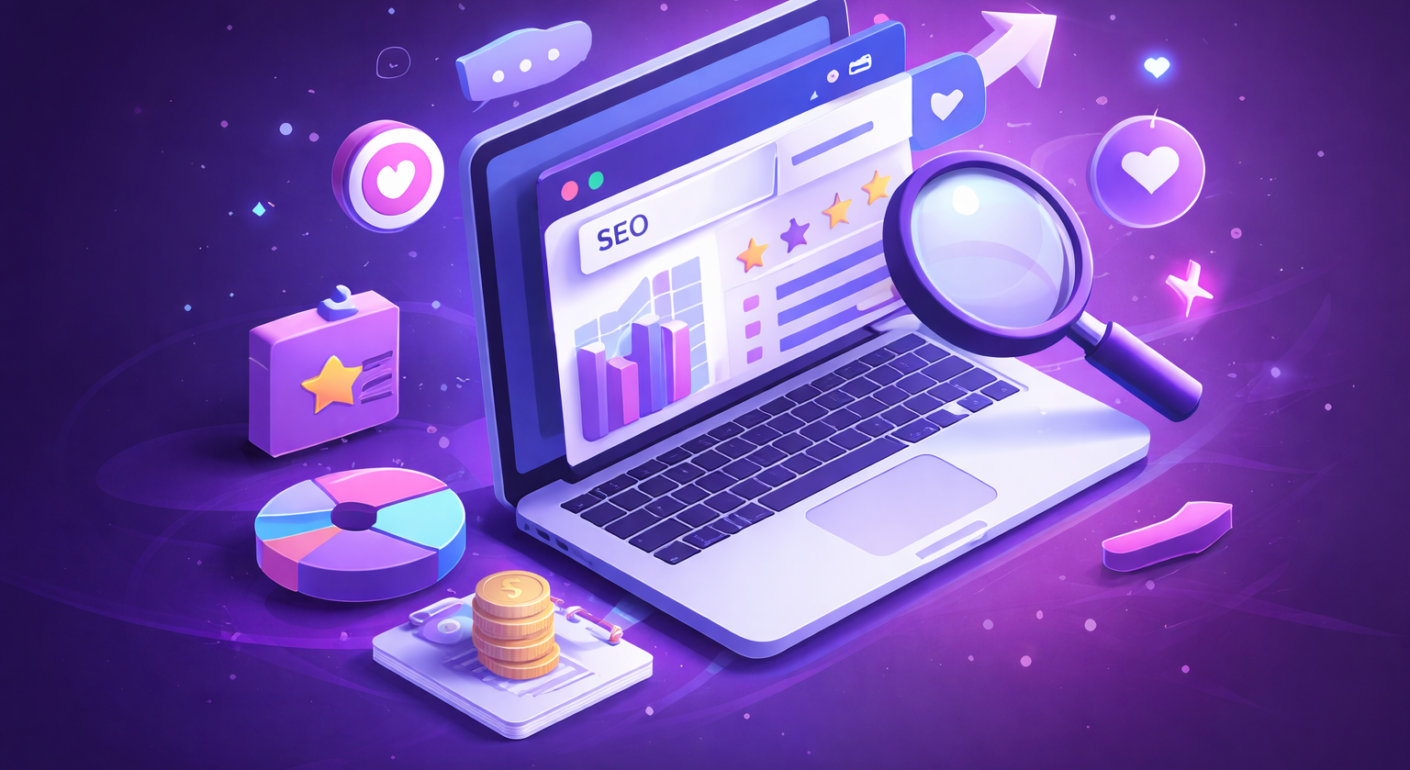
What Is SEO? A Complete Guide to Search Engine Optimization

Search engine optimization, commonly known as SEO, is the process of improving a website s visibility in search engines such as Google. When people ask what SEO is , they are usually trying to understand how websites appear at the top of search results and why some businesses consistently attract organic traffic while others remain invisible online. What Is SEO and Why It Matters for Online Growth At its core, search engine optimization focuses on helping search engines understand your content and match it with user intent. Search engines aim to deliver the most relevant and useful results for every query. Search engine optimization aligns your website with these goals by improving content quality, technical performance, and overall user experience. When done correctly, search engine optimization increases organic traffic without relying on paid advertising. Search engine optimization is typically divided into three main areas. On-page SEO focuses on content and structure, including keywords, headings, internal links, and page clarity. Technical SEO ensures that a website is fast, secure, mobile-friendly, and easy for search engines to crawl and index. Off-page SEO relates to authority and trust, often built through backlinks and brand mentions from reputable websites. Understanding SEO also means understanding intent. Modern search engine optimization is no longer about keyword stuffing or shortcuts. It is about answering real questions, solving problems, and providing value. Search engines analyze behavior such as time on page, engagement, and relevance to determine whether content deserves to rank. Websites that prioritize user value consistently outperform those chasing algorithms. Search engine optimization is a long-term growth strategy rather than a quick win. Unlike paid ads, search engine optimization compounds over time. A well-optimized page can generate traffic for months or even years after it is published. Businesses that invest in sustainable SEO frameworks, like those implemented by Zepi Media, benefit from predictable traffic, lower acquisition costs, and increased credibility. Data-backed insights reinforce the importance of search engine optimization. According to research shared by HubSpot, organic search remains one of the highest-converting digital channels because it captures users with active intent. This makes SEO especially powerful for businesses focused on scalable and sustainable growth. Understanding SEO is essential for any brand competing online. Search engine optimization connects visibility with relevance and trust, allowing businesses to be discovered by the right audience at the right time. When strategy, execution, and consistency align, search engine optimization becomes one of the most effective tools for long-term digital success.